Hormones are one of many factors that can influence energy, appetite, sleep, mood, and exercise performance. Stress, medications, health conditions, nutrition, and lifestyle can also play a role.
Your energy crashes mid-afternoon. Your appetite shifts weekly. You feel emotional over things that normally wouldn’t bother you. For some women, these are hormonal changes. For others, they may be related to sleep, stress, or life circumstances. Understanding how hormones may influence your body can be a powerful tool for supporting your health—but it’s important to recognize that every woman’s experience is unique.
Key Hormones and Their Potential Roles
Estrogen: This hormone may influence bone density, mood, and metabolism. Levels tend to fluctuate throughout your menstrual cycle and can decline during menopause, though the specific effects vary from person to person.
Progesterone: After ovulation, progesterone rises and may influence sleep quality, appetite, body temperature, and mood for some women. Other women may not notice significant changes at all.
Testosterone: Women produce this hormone too, and it may contribute to libido, muscle health, bone health, and overall well-being—though levels and their effects vary considerably.
Cortisol: Your body’s stress hormone, cortisol plays an important role in your daily rhythm. Ongoing stress can affect sleep, appetite, blood-sugar regulation, recovery, and even reproductive function, which may influence body composition over time. However, stress affects different people in different ways.
Insulin: This hormone manages blood sugar. Hormonal fluctuations throughout your cycle may influence how your body handles carbohydrates and glucose, particularly in the weeks following ovulation.
Your Menstrual Cycle: A Monthly Blueprint (With Important Context)
The examples below are based on an approximately 28-day cycle. Cycle length, ovulation timing, symptoms, appetite, energy, and exercise response vary considerably.
Follicular Phase (Approximately Days 1–14): Estrogen gradually rises during this phase, and some women may notice increasing energy, motivation, better mood, or improved mental clarity. Appetite may feel lighter for some. Some women find this a good time to experiment with higher-intensity training, while others notice no difference in their capacity. Tracking your own patterns can help you identify what’s true for your body.
Ovulation (Approximately Days 13–15): A peak in estrogen and testosterone occurs here. Some women report feeling particularly energetic or confident during this window, and some experience improved athletic performance. However, not all women notice changes during ovulation, and responses to training vary. What matters most is how you feel and how you recover.
Luteal Phase (Approximately Days 15–28): Progesterone rises after ovulation, and some women may notice a shift in energy (feeling lower), focus (possibly deeper concentration on detailed work), or appetite (increased hunger for some). If you do experience increased appetite during this phase, you might find it helpful to include more protein, fiber-rich carbohydrates, and healthy fats in your meals—these tend to promote satiety and stable blood sugar.
Some women notice predictable differences in energy, symptoms, temperature regulation, or perceived effort throughout their cycle, while others notice very little change. Use personal symptoms, performance, and recovery—not the calendar alone—to guide training adjustments.
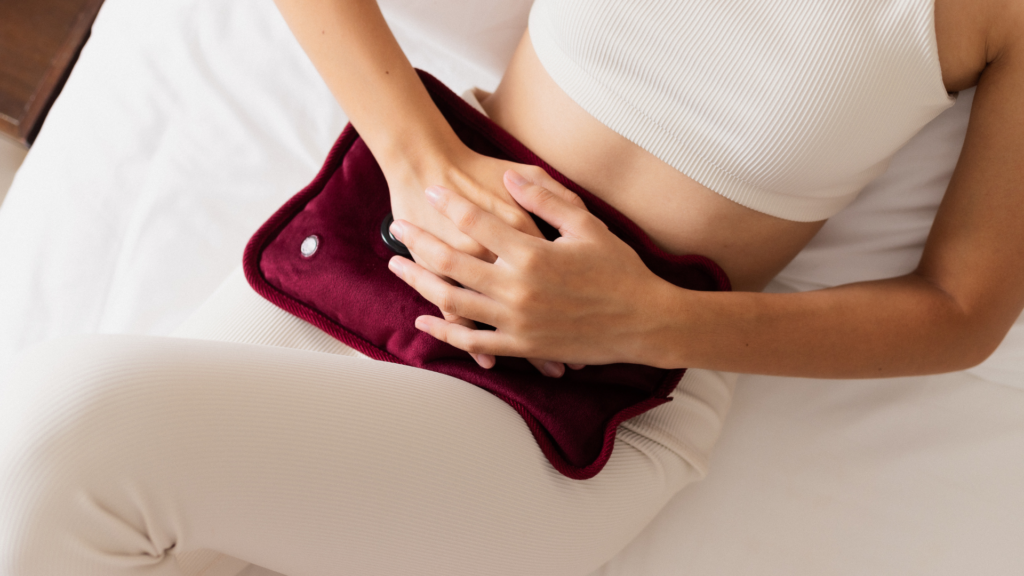
Menstruation (Approximately Days 1–5): Some women notice lower energy levels during their period. If you experience heavier periods, including iron-rich foods in your diet may be helpful. Adequate hydration and rest are generally beneficial during this time if you feel the need for them.
Perimenopause & Menopause: Significant Hormonal Transitions
Perimenopause (typically 5–10 years before menopause) and menopause bring more dramatic hormonal shifts. Many women experience:
- Erratic hormone production and unpredictable symptoms
- Hot flashes, night sweats, and sleep disruption
- Changes in energy needs and body composition
- Shifts in where the body tends to store fat
- Changes in mood or anxiety
- Shifts in bone density
During these transitions, several factors can support overall health:
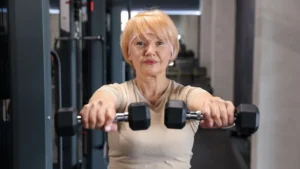
Strength training becomes particularly valuable during midlife, as it may help support bone health, metabolism, and overall strength—especially important as muscle naturally declines with age.
Adequate protein at each meal may support muscle maintenance and recovery. Rather than a rigid target, aim to include a meaningful protein source at each meal (whether that’s eggs, fish, chicken, legumes, or dairy).
Consistent sleep (ideally 7–9 hours) supports hormonal balance, mood regulation, and recovery.
Stress management practices—meditation, journaling, time in nature—can help during times of hormonal change.
If perimenopause or menopausal symptoms significantly affect your quality of life, speak with your healthcare provider about your options, which may include hormone therapy, medications, or lifestyle adjustments tailored to your needs.
Supporting Yourself Through Hormonal Transitions
Track your own cycle: Using an app or journal may help you identify your patterns. When do you typically feel best? When might anxiety increase? This self-awareness can help you make informed choices about nutrition, movement, and rest—without forcing yourself into a predetermined pattern.
Eat in a way that feels sustainable: Rather than strict rules, think about including whole foods, adequate protein, and enough calories to support your activity level and energy needs.
Match movement to how you feel: If you notice energy shifts throughout your cycle, great—adjust your training accordingly. If you don’t notice changes, that’s normal too. Training should be based on your recovery capacity and what feels good in your body.
Prioritize sleep: Sleep and hormones work together. Aim for 7–9 consistent hours, and be open to needing extra rest during certain times—this may help recovery and mood.
Manage stress in ways that work for you: Chronic stress can affect multiple systems in your body, so finding what helps you feel calmer—whether that’s exercise, meditation, or time with loved ones—matters.
When to Seek Professional Support
Consider speaking with a healthcare provider if you experience:
- Severe PMS or PMDD symptoms
- Irregular cycles that concern you
- Excessive bleeding
- Perimenopause symptoms that significantly affect your daily life
- Questions about how your hormones might be influencing your health
Final Thoughts
Hormonal changes in women aren’t flaws—they’re a natural part of life. By tracking your own patterns and tuning into your body’s unique signals, you can make more informed decisions about your nutrition, exercise, sleep, and recovery.
Every woman’s body is different. What works wonderfully for one person might not resonate with another. The goal is to understand your patterns and use that knowledge to support your health in a way that feels sustainable and empowering.
This article is provided for general educational purposes only and is not medical advice. It is not intended to diagnose, treat, cure, or prevent any medical condition. Speak with an appropriate healthcare professional regarding symptoms, medications, injuries, medical concerns, or individualized treatment.